
Residency by Investment: Where Greece, Portugal and the UAE Stand
بقلمMulti Mulk Newsdesk·نُشر في:·قراءة 4 دقائق
Residence-by-investment rules are, for now, more notable for what they exclude than for anything new this week. Reviewing the latest commentary on Portugal, Greece and the UAE, we found no newly announced threshold change in any of the three. What it does show is how differently the three routes are built, and that matters for anyone choosing between them. This is a summary of the published picture, not a substitute for the official rules, which should be checked at the time of application.
Portugal: funds and business routes, not property
Property is no longer a qualifying investment in Portugal's programme. The Portugal News reported on 6 October that, since the property route was removed in October 2023, the qualifying routes include regulated investment funds, business creation and certain cultural or artistic donations. The piece was published as paid content by an adviser, Portugal Pathways, so it is best read as a description of the framework rather than independent analysis.

The same article notes that holders are generally required to spend about seven days a year in Portugal, that the permit is residency rather than citizenship (which follows a separate legal process), and that family inclusion is assessed on application and subject to approval by the immigration agency AIMA rather than being automatic. It also cites Portuguese investment agency data putting foreign direct investment stock at €213.7 billion at the end of 2025. That figure describes the wider economy, not the golden visa itself.
For an investor, the practical consequence is that Portugal now suits someone comfortable with a financial product or a business, not someone who wants to own an apartment. Fund terms, liquidity and exit conditions deserve as much scrutiny as the residence permit.
Greece: property still sits at the centre
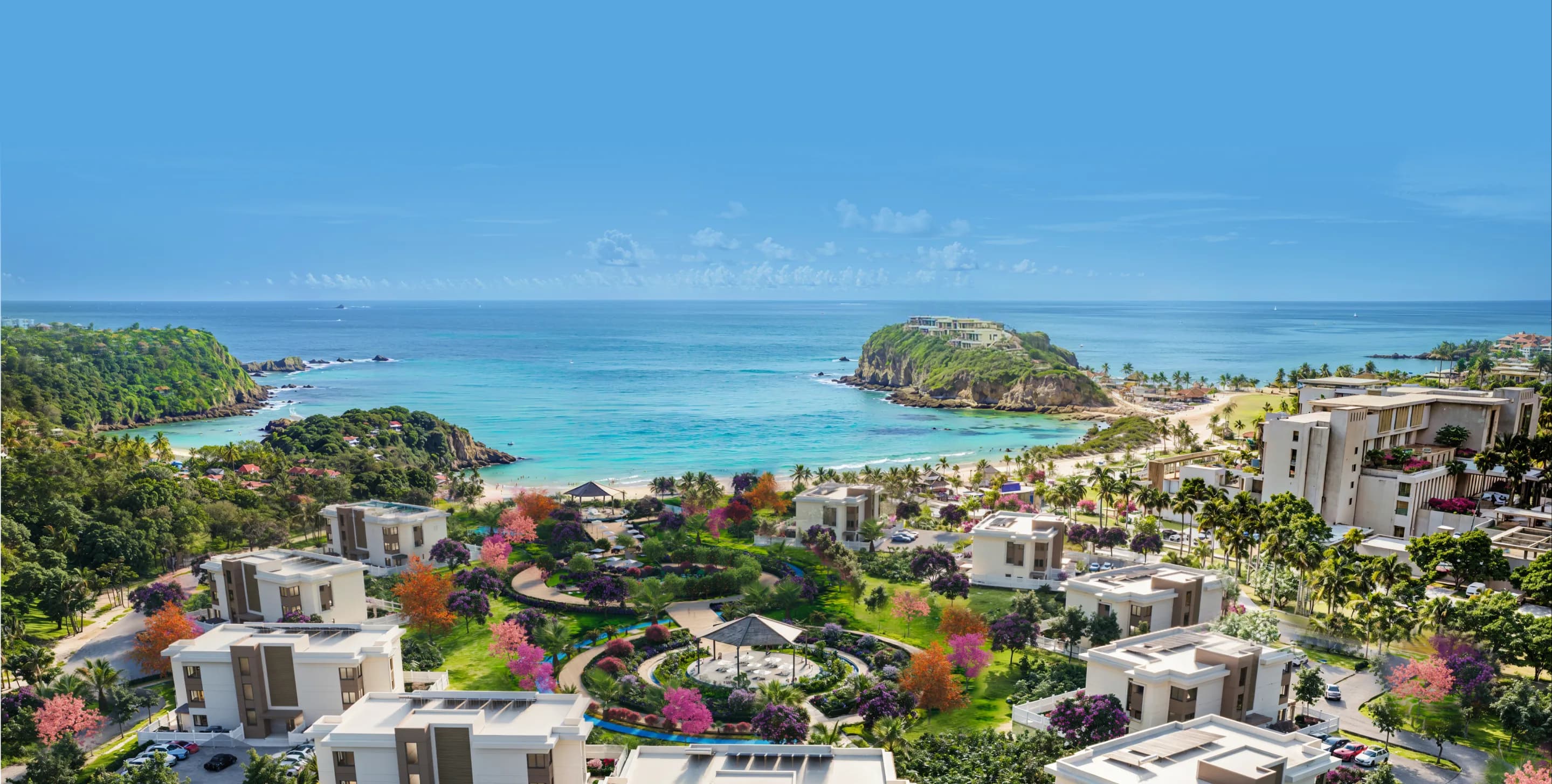
Greece has kept real estate at the core of its programme. According to the adviser La Vida, in a September 2026 piece on its Golden Visa Index, the Greek route starts at €250,000 for qualifying commercial-to-residential conversions and restoration projects, rising to €400,000 in most regions and €800,000 in Athens, Thessaloniki and the larger islands. That is a commercial adviser's summary; the thresholds and the list of areas they apply to should be confirmed against the Greek authorities before any purchase.
The tiered structure shows how Greece is steering capital. Higher entry prices in the most pressured markets and lower ones for conversions and restoration push investors towards a narrower set of property types. Anyone weighing Greece should check which tier a specific property falls into, as the label on a listing is not proof of eligibility.
Multi Mulk advises on golden visa and residency programmes, including Greece and Portugal, and can set out how the routes compare for a given family.
The UAE: a property threshold, but a softer market
In the UAE, the property route is the best known. CEOWORLD magazine reported on 7 October that under current Golden Visa rules a real-estate investor may qualify for a renewable five-year residence visa by owning property worth at least AED 2 million, subject to applicable conditions.
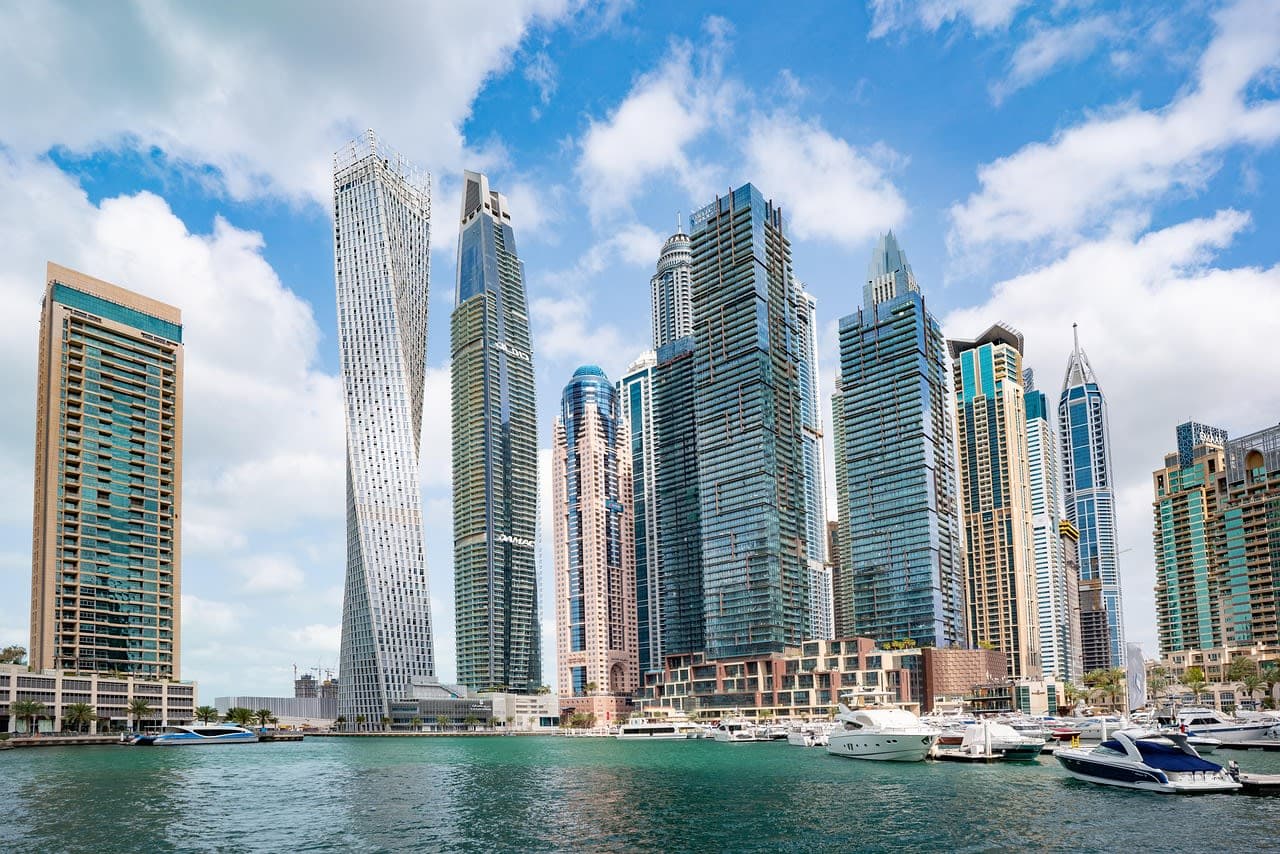
The same article's summary describes a more demanding phase for Dubai property, with record 2025 activity giving way to softer transactions and uneven price performance. The commentary's argument is that residency should not be used to justify an asset that would not stand up on its own merits. That is a sensible discipline for any residence-linked purchase, in any country.
Residence eligibility does not move with the market, but the value of the underlying property does. A buyer who reaches the AED 2 million line only by stretching on a weaker asset carries the full price risk. Multi Mulk works on property in the UAE and on the UAE golden visa.
Demand is rising, scrutiny too
La Vida's index tracks global search interest in golden visas and citizenship by investment. By its measure, 2016 was set at a baseline of 100 and the figure stood at 728.5 in 2025. Search volume is not applications or approvals, and the index comes from a firm that sells these services, so it is a signal of interest, not of programme uptake.
The same piece points to new routes elsewhere, including an expected Argentine programme and an enhanced Panama residency route requiring $300,000 in new-build property. We covered Argentina's launch in an earlier post.
What to check before committing
The three routes illustrate a common pattern: governments are narrowing what counts as qualifying capital, and investors are being asked to look at the asset as well as the permit. A few questions apply across them:
- Is the qualifying investment defined by law today, and when was the rule last amended?
- What is the residence permit's duration, renewal test and minimum-stay requirement?
- Are family members included automatically, or assessed case by case?
- If the investment loses value or becomes illiquid, does the permit survive?
- Does residency lead to citizenship, or is that a separate process with its own conditions?
Residency and citizenship answer different needs. Residence gives a right to live in a country; citizenship gives a passport. Our guide on residency or citizenship sets out the distinction, and the Türkiye comparison tool lines up Türkiye against the three programmes above.
Rules in this area change often and apply differently depending on nationality, family and source of funds. To discuss a specific situation, speak to an adviser. Nothing here is a guarantee of approval, timing or investment return.